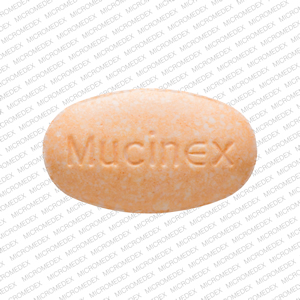
Mucinex D
Generic name: guaifenesin and pseudoephedrine [ gwye-FEN-e-sin, soo-doe-e-FED-rin ]
Brand names: Altarussin PE, Ambifed, Biotuss PE, D-Feda II, Despec-SR,
... show all 33 brands
Drug class: Upper respiratory combinations
Medically reviewed by Drugs.com. Last updated on Apr 2, 2024.
What is Mucinex D?
Mucinex D extended release tablets contain a combination of guaifenesin and pseudoephedrine. Guaifenesin is an expectorant. It helps loosen congestion in your chest and throat, making it easier to cough out through your mouth.
Pseudoephedrine is a decongestant that shrinks blood vessels in the nasal passages. Dilated blood vessels can cause nasal congestion (stuffy nose).
Mucinex D tablets are used to treat nasal and sinus congestion. Mucinex D also is used to reduce chest congestion caused by the common cold, infections, or allergies.
Mucinex D may also be used for purposes other than those listed.
Warnings
Always ask a doctor before giving a cough or cold medicine to a child. Death can occur from the misuse of cough and cold medicines in very young children.
Do not use Mucinex D if you have used an MAO inhibitor such as isocarboxazid (Marplan), phenelzine (Nardil), rasagiline (Azilect), selegiline (Eldepryl, Emsam), or tranylcypromine (Parnate) within the past 14 days. Serious, life-threatening side effects can occur if you take Mucinex D before the MAO inhibitor has cleared from your body.
Do not use any other over-the-counter cough or cold medication without first asking your doctor or pharmacist. If you take certain products together you may accidentally take too much of one or more types of medicine. Read the label of any other medicine you are using to see if it contains a decongestant or expectorant.
Before taking this medicine
Do not use Mucinex D if you are allergic to guaifenesin or pseudoephedrine, or to other decongestants, diet pills, stimulants, or ADHD medications. Do not use Mucinex D if you have used an MAO inhibitor such as isocarboxazid (Marplan), phenelzine (Nardil), rasagiline (Azilect), selegiline (Eldepryl, Emsam), or tranylcypromine (Parnate) within the past 14 days. Serious, life-threatening side effects can occur if you take Mucinex D before the MAO inhibitor has cleared from your body.
Before taking Mucinex D, tell your doctor if you are allergic to any drugs, or if you have:
-
heart disease or high blood pressure;
-
diabetes; or
-
a thyroid disorder.
If you have any of these conditions, you may not be able to use Mucinex D, or you may need a dosage adjustment or special tests during treatment.
Mucinex D may be harmful to an unborn baby. Tell your doctor if you are pregnant or plan to become pregnant during treatment. This medication may pass into breast milk and could harm a nursing baby. Do not use this medication without telling your doctor if you are breast-feeding a baby.
Artificially-sweetened liquid forms of cold medicine may contain phenylalanine. This would be important to know if you have phenylketonuria (PKU). Check the ingredients and warnings on the medication label if you are concerned about phenylalanine.
Related/similar drugs
Bromfed DM, brompheniramine / dextromethorphan / pseudoephedrine, Vicks Dayquil Cold & Flu Relief, Vanacof
How should I take Mucinex D?
Use Mucinex D tablets exactly as directed on the label, or as it has been prescribed by your doctor. Do not use the medication in larger amounts, or use it for longer than recommended. Cold medicine is usually taken only for a short time until your symptoms clear up.
Always ask a doctor before giving cough or cold medicine to a child. Death can occur from the misuse of cough or cold medicine in very young children. Do not crush, chew or break an extended-release Mucinex D tablet. Swallow the tablet whole. It is specially made to release medicine slowly in the body. Breaking or opening the tablet would cause too much of the drug to be released at one time.
Drink extra fluids to help loosen the congestion and lubricate your throat while you are taking Mucinex D. Take Mucinex D with food if it upsets your stomach. Talk with your doctor if your symptoms do not improve after 7 days of treatment, or if you have a fever with a headache, cough, or skin rash.
If you need to have any type of surgery, tell the surgeon ahead of time if you have taken a cold medicine within the past few days.
Store this medicine at room temperature, away from heat, light, and moisture.
What happens if I miss a dose?
Since Mucinex D is usually taken only as needed, you may not be on a dosing schedule. If you are taking Mucinex D regularly, take the missed dose as soon as you remember. If it is almost time for your next dose, skip the missed dose and take the medicine at your next regularly scheduled time. Do not take extra medicine to make up the missed dose.
What happens if I overdose?
Seek emergency medical attention if you think you have used too much of this medicine. Overdose symptoms may include nausea, vomiting, dizziness, and feeling restless or nervous.
What should I avoid?
Mucinex D can cause side effects that may impair your thinking or reactions. Be careful if you drive or do anything that requires you to be awake and alert. Avoid drinking alcohol while you are taking this medicine.
Avoid taking diet pills, caffeine pills, or other stimulants (such as ADHD medications) without your doctor's advice. Taking a stimulant together with a decongestant can increase your risk of unpleasant side effects.
Do not use any other over-the-counter cold, allergy, or cough medicine without first asking your doctor or pharmacist. Mucinex D are contained in many medicines available over the counter. If you take certain products together you may accidentally take too much of a certain drug. Read the label of any other medicine you are using to see if it contains guaifenesin or pseudoephedrine.
Mucinex D side effects
Get emergency medical help if you have any of these signs of an allergic reaction to Mucinex D: hives; difficulty breathing; swelling of your face, lips, tongue, or throat. Stop taking this medication and call your doctor at once if you have any of these serious side effects:
-
fast, pounding, or uneven heartbeat;
-
severe dizziness, anxiety, restless feeling, or nervousness;
-
easy bruising or bleeding, unusual weakness, fever, chills, body aches, flu symptoms; or
-
increased blood pressure (severe headache, blurred vision, trouble concentrating, chest pain, numbness, seizure).
Keep taking Mucinex D and talk to your doctor if you have any of these less serious Mucinex D side effects:
-
dizziness or headache;
-
feeling excited or restless;
-
sleep problems (insomnia);
-
nausea, vomiting, or stomach upset;
-
mild loss of appetite;
-
warmth, tingling, or redness under your skin; or
-
skin rash or itching.
This is not a complete list of side effects and others may occur. Tell your doctor about any unusual or bothersome side effect. You may report side effects to FDA at 1-800-FDA-1088.
What other drugs will affect Mucinex D?
Before taking Mucinex D, tell your doctor if you are using any of the following drugs:
-
methyldopa (Aldomet);
-
medicines to treat high blood pressure;
-
a beta-blocker such as atenolol (Tenormin), carteolol (Cartrol), metoprolol (Lopressor, Toprol), nadolol (Corgard), propranolol (Inderal), sotalol (Betapace), timolol (Blocadren), and others; or
-
antidepressants such as amitriptyline (Elavil), clomipramine (Anafranil), imipramine (Janimine, Tofranil), and others.
This is not a complete list and there may be other drugs that can affect Mucinex D. Tell your doctor about all the prescription and over-the-counter medications you use. This includes vitamins, minerals, herbal products, and drugs prescribed by other doctors. Do not start using a new medication without telling your doctor.
Popular FAQ
Some research suggests that Mucinex may help increase fertility by keeping the cervical mucus thin around the time of ovulation, which ensures sperm can travel freely through the cervix and helps with sperm survival. An increase in fertility can help increase your chances of becoming pregnant. Women with hostile mucus as the only cause of their infertility are the ones most likely to benefit from guaifenesin treatment. Continue reading
Mucinex products do not help to prevent or treat the COVID-19 virus itself, but might help relieve some of the symptoms of COVID, like chest congestion, cough, or headache. Select a product that targets only the symptoms you have. Continue reading
Not all medications are suitable for crushing. Drugs that should not be crushed are those that are:
- Designed to be controlled release
- Coated for protection or taste
- Dissolvable
- Liquid-filled gel capsules
- Hazardous or irritants
- Intended for a small therapeutic window
More FAQ
References
More about Mucinex D (guaifenesin / pseudoephedrine)
- Check interactions
- Compare alternatives
- Pricing & coupons
- Reviews (221)
- Drug images
- Side effects
- Dosage information
- During pregnancy
- Support group
- FDA approval history
- Drug class: upper respiratory combinations
- En español
Patient resources
Other brands
Entex PSE, Entex T, Pseudovent, Zephrex LA
Professional resources
Other formulations
Related treatment guides
Further information
Remember, keep this and all other medicines out of the reach of children, never share your medicines with others, and use Mucinex D only for the indication prescribed.
Always consult your healthcare provider to ensure the information displayed on this page applies to your personal circumstances.
Copyright 1996-2024 Cerner Multum, Inc. Version: 8.02.